

Choosing the right skincare treatment can feel overwhelming, especially when both facials and chemical peels promise smoother, brighter, healthier-looking skin. While these treatments can both improve your complexion, they work in different ways and are designed to address different skin concerns.
So, which one is right for you? The answer depends on your skin type, concerns, goals, and how much downtime you’re comfortable with.
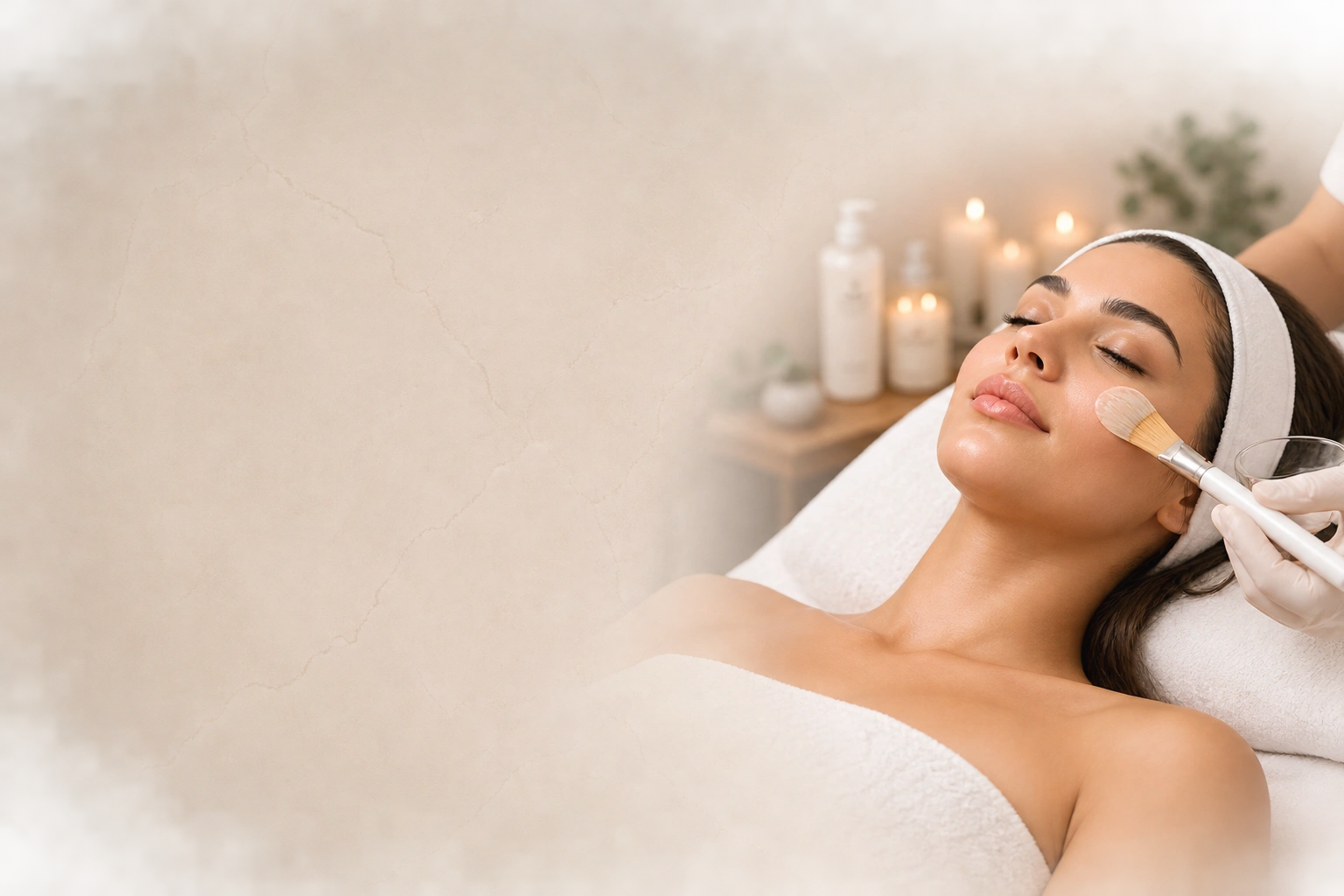
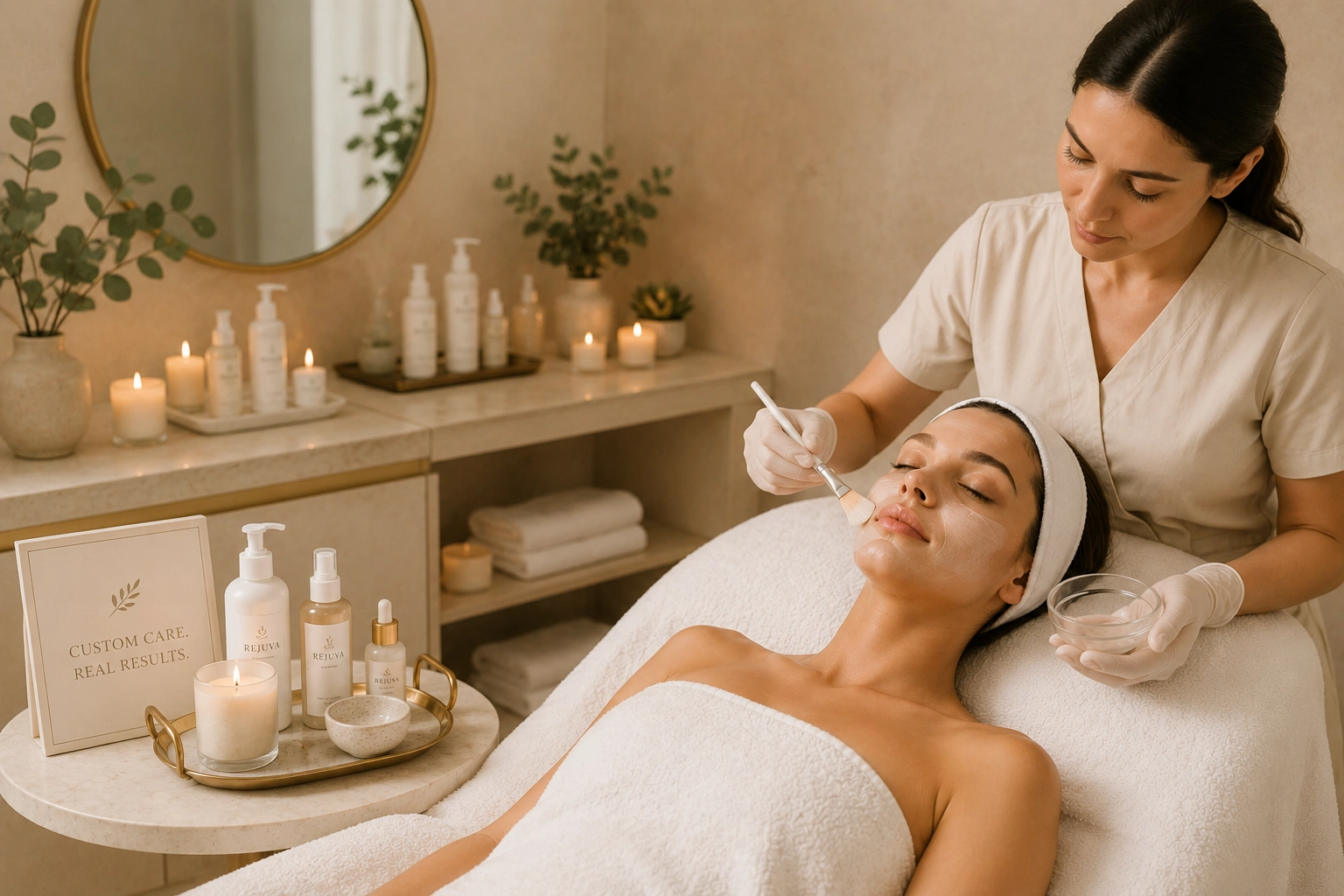
A facial is a customizable skincare treatment designed to cleanse, nourish, and refresh the skin. Depending on the facial, your treatment may include cleansing, exfoliation, extractions, massage, masks, serums, and targeted skincare products.
Facials are often a great choice when you want to:
Because facials can be customized, your provider can adjust the treatment based on your current skin needs.
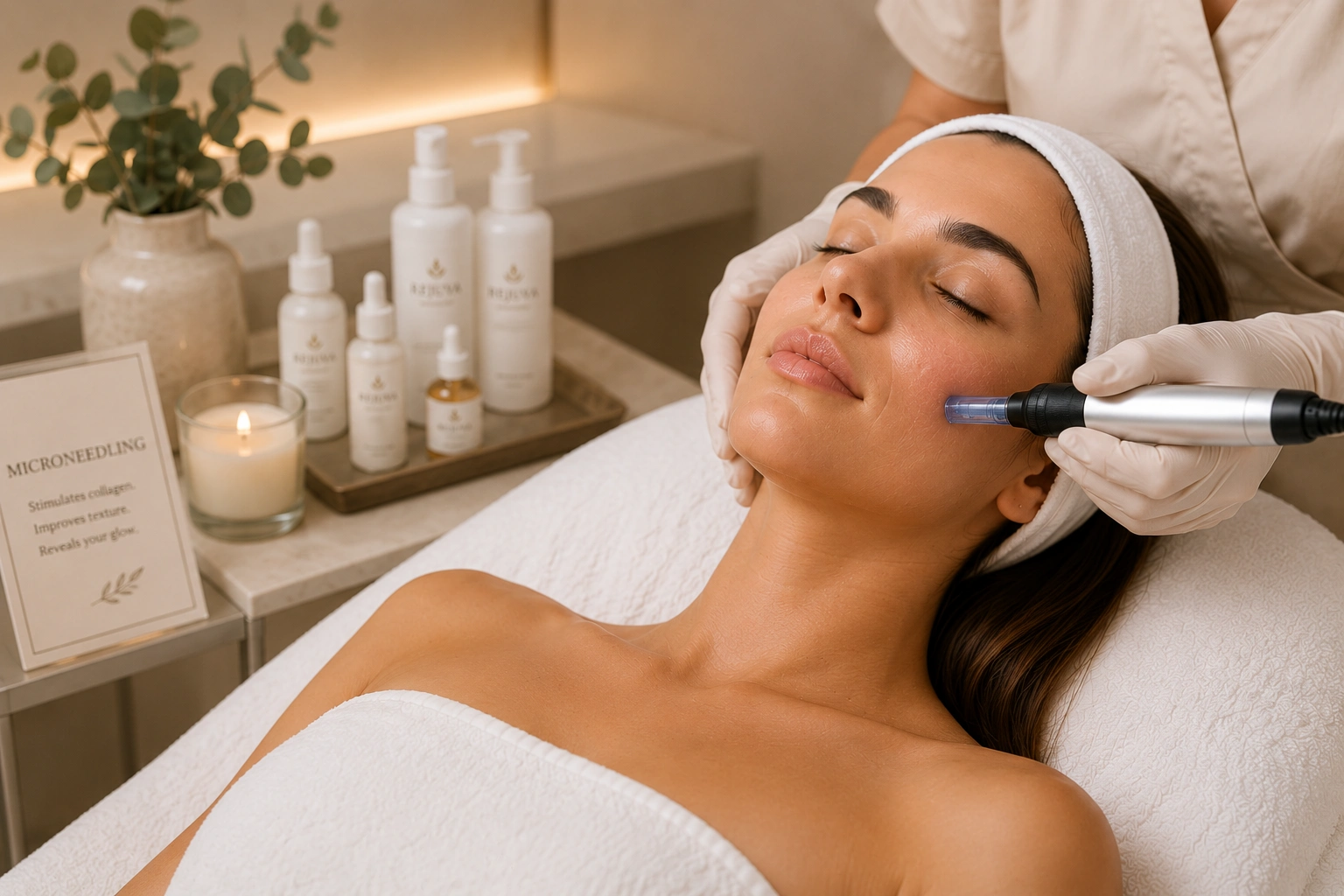
A chemical peel uses a specially formulated solution to exfoliate the outer layers of the skin. By encouraging the removal of damaged surface cells, chemical peels can help reveal fresher, more even-looking skin underneath. Depending on the type and strength of the peel, it may be used to improve the appearance of:
Chemical peels range from very superficial treatments with little downtime to stronger professional treatments that require more recovery.
The biggest difference is how the treatments work. A facial generally focuses on cleansing, hydration, nourishment, and gentle exfoliation. A chemical peel is more focused on controlled exfoliation and skin renewal.
Best for: Maintenance, hydration, relaxation, and an overall skin refresh.
Treatment intensity: Usually gentle to moderate.
Downtime: Typically minimal or none, depending on the treatment.
Ideal when: Your skin needs hydration, cleansing, nourishment, or a quick complexion boost.
Best for: More targeted concerns involving tone, texture, pigmentation, and surface-level skin damage.
Treatment intensity: Varies depending on the peel.
Downtime: Depends on the type of peel and your individual skin response.
Ideal when: You want a more targeted exfoliation treatment and are comfortable following a specific aftercare routine.
If discoloration is one of your main concerns, a chemical peel may be a more targeted option than a standard facial.
Chemical exfoliation can help improve the appearance of uneven pigmentation by encouraging the shedding of superficial damaged skin cells. However, pigmentation concerns can have many causes, and aggressive exfoliation is not appropriate for everyone.
A customized facial may still be useful as part of a broader skin-maintenance routine.
Sensitive skin often benefits from a more cautious approach.
A gentle, customized facial may be preferable when the primary goals are hydration, soothing, and maintaining the skin barrier. Some chemical peels can be too irritating for certain sensitive skin types, particularly when the skin is already compromised.
Your skincare professional can help determine which ingredients and treatment intensity are appropriate for your skin.
In some cases, professional skincare treatments can be incorporated into the same long-term skincare plan. However, that does not necessarily mean they should always be performed together or on the same day.
Your provider should consider your skin type, current condition, treatment history, products you use at home, and how your skin responds to exfoliation.
A personalized treatment schedule can help prevent unnecessary irritation and support healthier-looking skin.
Start by identifying your primary skin goal. Choose a facial if you’re looking for:
Consider a chemical peel if you’re looking for:
The best treatment isn’t necessarily the strongest treatment. It’s the one that matches your skin’s needs and can be performed safely and consistently.
There is no one-size-fits-all answer when it comes to professional skincare. A facial may be exactly what your skin needs today, while a chemical peel may be a better option when you’re addressing a specific concern.
At your consultation, your skincare professional can evaluate your skin and recommend a treatment approach based on your goals, skin condition, and desired results.
Not sure whether a facial or chemical peel is right for your skin? Schedule a personalized consultation and discover a treatment plan designed around your complexion and skincare goals. Healthy-looking skin starts with the right treatment for you.

Founder & Licensed Esthetician
With over 10 years of experience, I’m passionate about helping you achieve healthy, radiant skin through personalized care, advanced treatments, and professional-grade products.